About the Roundtable
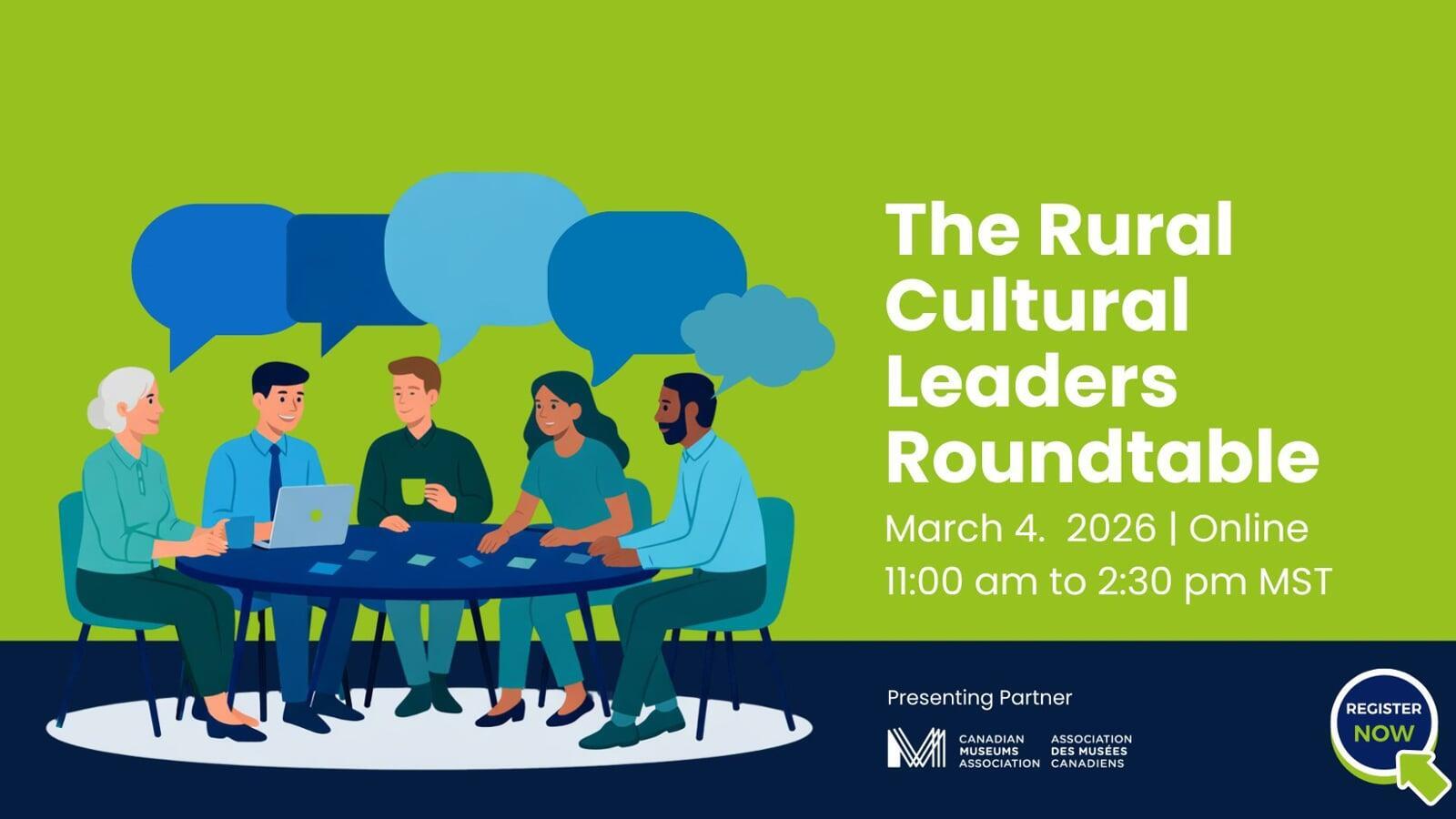
Join rural cultural leaders, municipal staff, and community organizers from across Canada for a national roundtable grounded in the lived realities of rural cultural work. Building on the momentum of the Future of Rural Culture Summit, this facilitated conversation will explore what it actually takes to sustain cultural life in rural and remote communities today — from maintaining momentum and relevance, to navigating limited capacity, shifting expectations, and uneven access to resources. The Roundtable creates space to share experiences across regions, surface common pressures, and identify opportunities that can inform CFCC’s research, programs, and advocacy in the year ahead.
REGISTRATION
Registration is FREE! and will be open until March 3 at 5:30 pm MST

Building Community
Cultural Vitality and Belonging in Rural Communities and Organizations
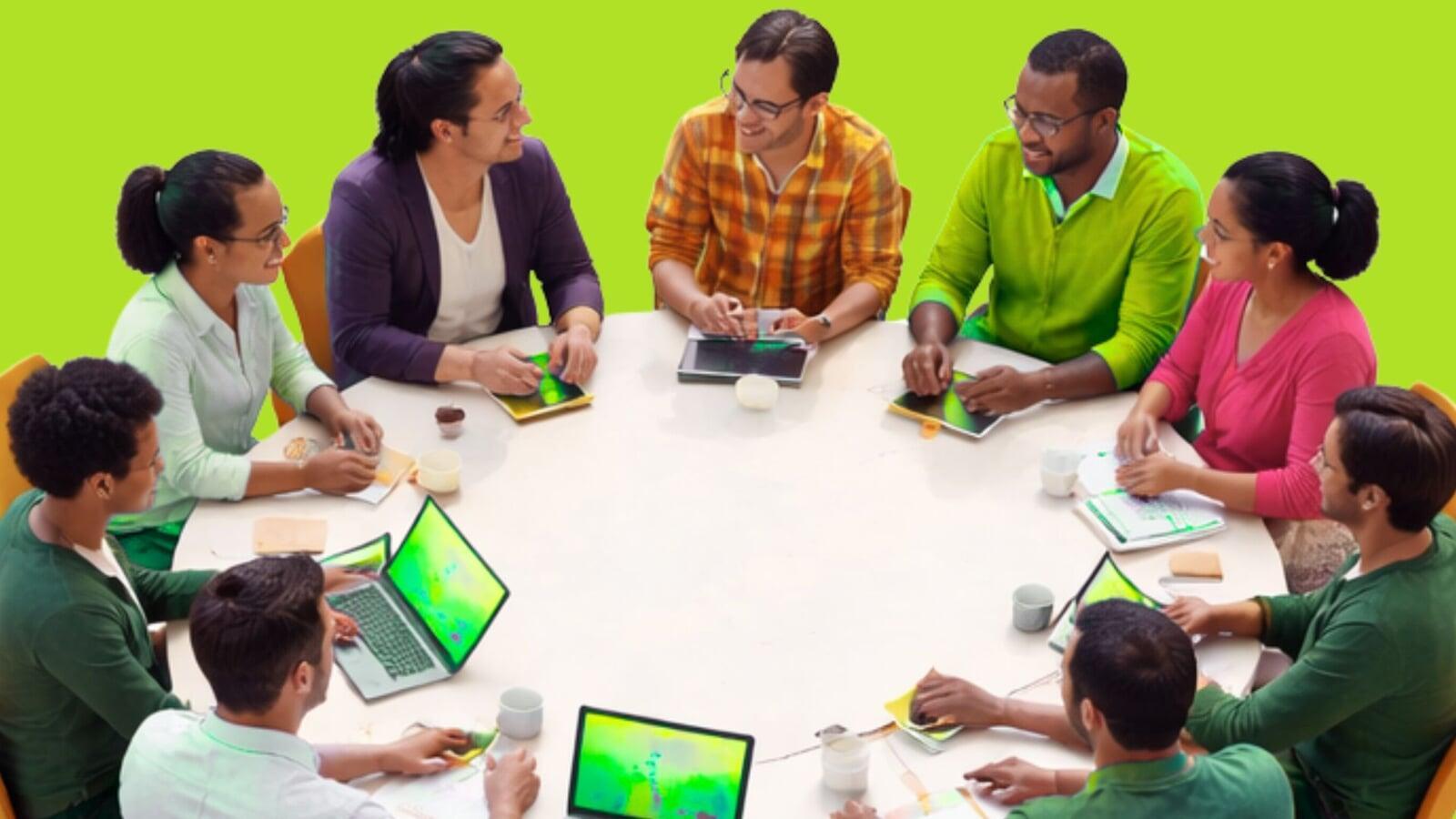
This discussion will explore how arts, culture, and heritage help people feel connected to their community and to one another. Participants will share what cultural life looks like where they live — from museums,. galleries, cinemas and libraries to festivals, Indigenous and cultural communities, informal gatherings, and everyday traditions.
The conversation will focus on who participates, who feels welcome, and how cultural activity helps build pride, belonging, and a sense of place in rural and remote communities.
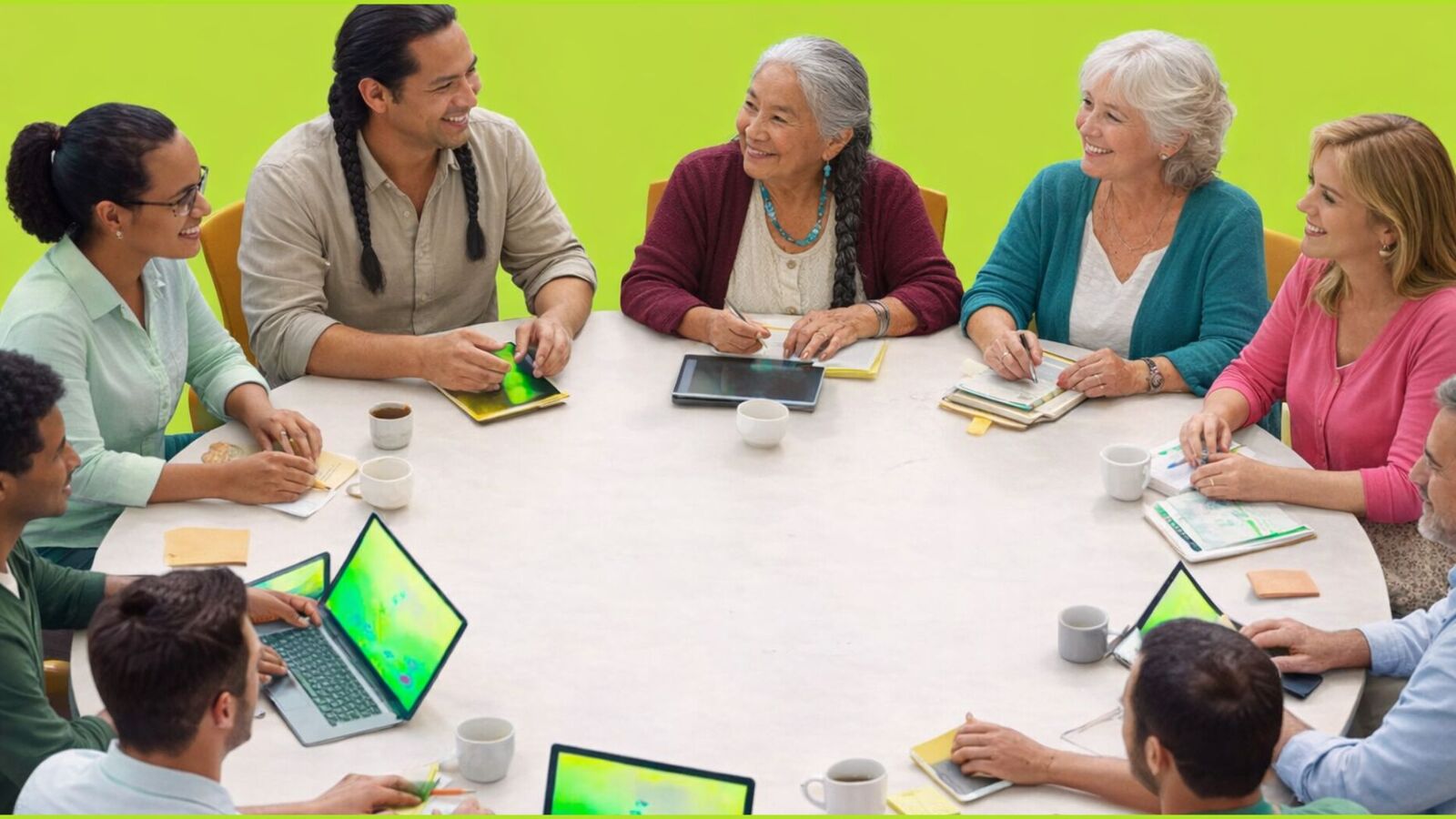
Indigenous-led Reciprocity, Collaboration and Inclusion in Rural Organizations
This discussion will offer a holistic review of the current realities facing both Indigenous and non-Indigenous cultural organizations, with a focus on tangible actions that support reciprocity, collaboration, and inclusion.
The conversation will surface shared challenges such as limited capacity and resourcing, while highlighting emerging practices, partnerships, and governance models. Participants will share lessons from their work, explore ways to share power and decision-making, and identify opportunities for collective action grounded in local relationships, accountability, and long-term sustainability.
Building Capacity

Capacity, Workforce, and Cultural Infrastructure
This discussion will focus on the day-to-day realities of doing cultural work in rural communities. Participants will talk about juggling multiple roles, relying on volunteers, managing buildings and spaces, and dealing with limited time, staff, and funding.
The conversation will surface common challenges — like burnout, recruitment, and aging facilities — as well as practical ideas, partnerships, and creative approaches that are helping rural cultural work continue and adapt.

Funding, Data and Evidence for Rural Cultural Futures
This discussion will look at how funding rules, reporting requirements, and the information we’re asked to provide affect rural cultural work on the ground. Participants will share experiences with applying for funding, tracking impact, and explaining the value of their work to funders, councils, and partners. The conversation will focus on what information actually matters, what feels burdensome or out of reach, and how rural communities can better tell their stories in ways that support stronger funding, advocacy, and long-term sustainability.
Our Facilitators
Our facilitators will help create welcoming spaces for open, practical conversations rooted in everyday experiences of rural cultural work, helping people learn from one another and explore ideas that can lead to meaningful next steps.
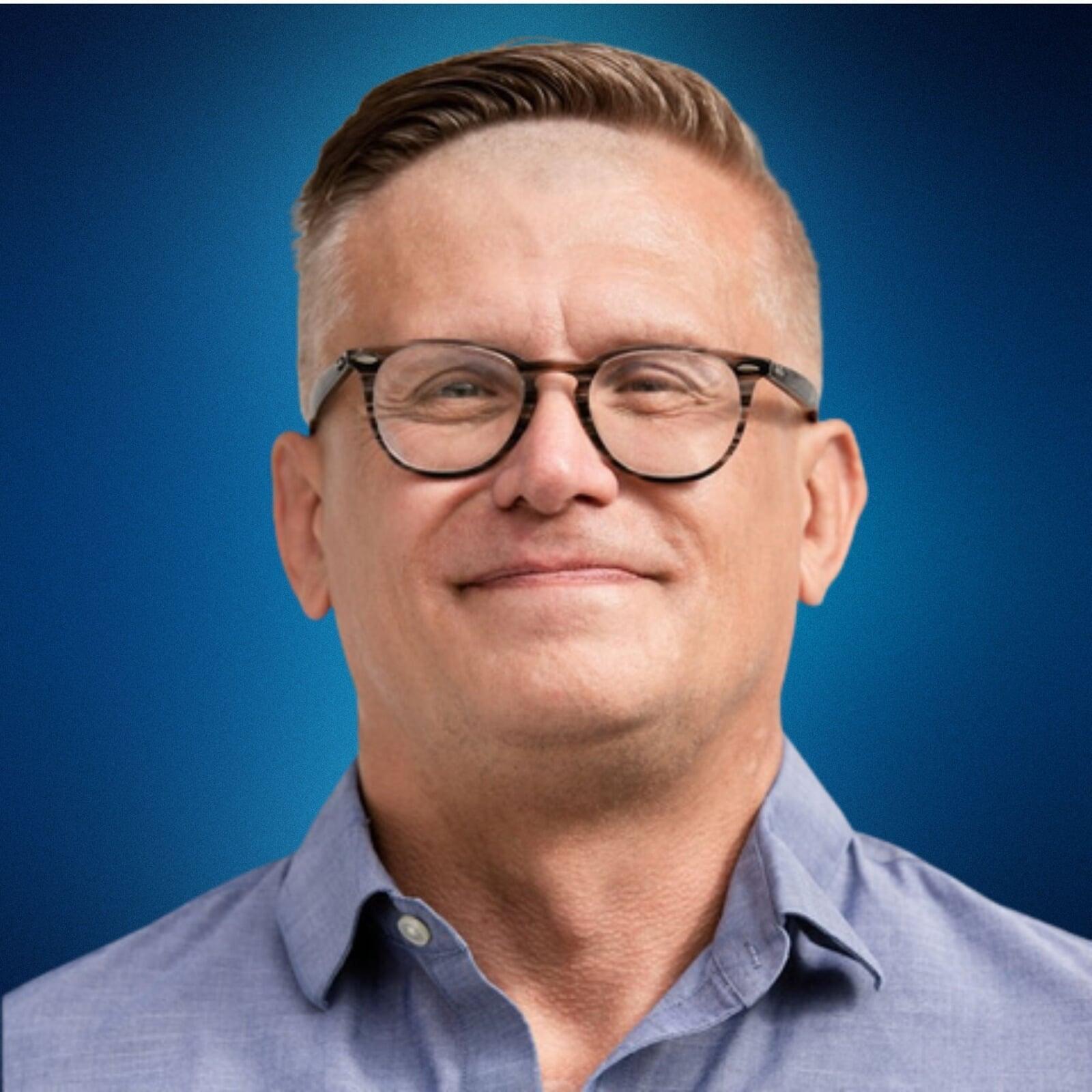
Ronald Ulrich
Executive Director
Centre for Cultural Futures Canada
Ron is a cultural leader with extensive experience guiding museums and cultural organizations through strategic growth, transformation, and renewal. As our Executive Director, he champions community-centred and innovative approaches to cultural leadership. His work spans audience engagement, educational programming, digital innovation, and organizational sustainability, with a strong focus on collaboration and community consultation. Ron is widely respected for his ability to navigate complex challenges while strengthening cultural institutions and advancing policies that support vibrant, resilient cultural ecosystems across Canada.
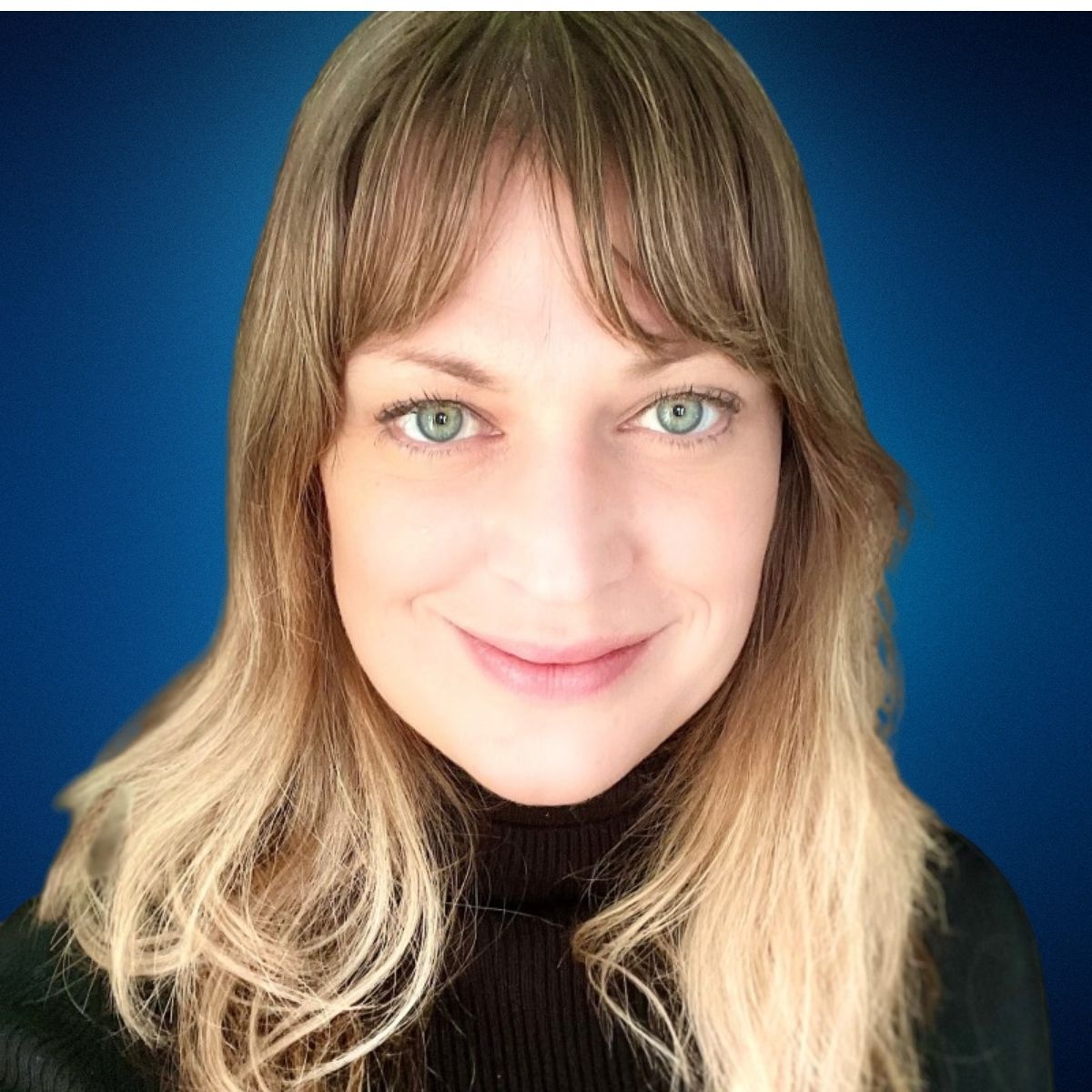
Stephanie Danyluk
Senior Manager, Community Engagement
Canadian Museums Association
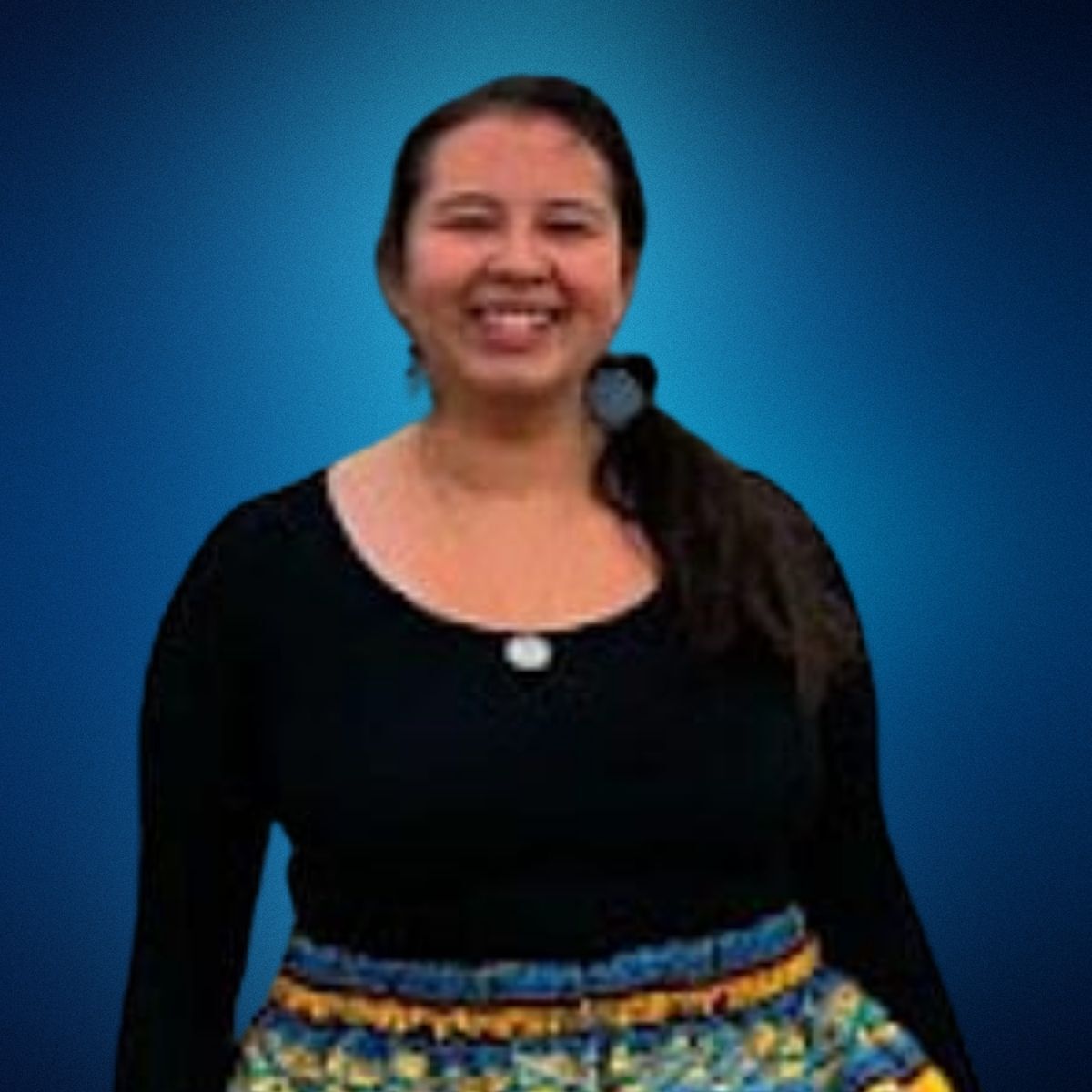
Nicole Henbrey
Moved to Action Program Coordinator
Canadian Museums Association
Nicole Henbrey is a talented storyteller, public speaker, and educator, with a passion for sharing knowledge about the land. She is Tlingit and Southern Tutchone from the communities of Teslin and Champagne Aishihik in the Yukon on her Mother’s side and Anglo-Canadian from Dartmouth, Nova Scotia on her Father’s side.
Born and raised in Calgary, AB on Treaty 7 Territory, her work is rooted in shifting the way in which we, as Canadians, speak about our shared histories and how we can use that to move forward together.

Jenn Lucas
Program Manager, Operations and Strategic Planning and Adjunct Instructor
Queens University
Jenn works at Queen’s University in Kingston, Ontario, where she supports strategic planning and teaches in the Department of History. She leads community-engaged internship programming that connects students directly with museums, archives, radio stations, and other cultural organizations — helping bridge academic learning with the real-world work of sustaining local culture. Her doctoral research explores how tourism, heritage, and commemoration shape community identity, particularly in smaller and rural places. Jenn brings a practical, collaborative approach to facilitation, grounded in listening, shared experience, and the everyday realities of cultural work — from building belonging and capacity to navigating limited resources and strengthening cultural life in rural communities.

Samantha Summers
Director, Centre for Cultural Futures Canada
Senior Development Officer, Kids Help Phone Canada
PRESENTING PARTNER

Cultural Futures Canada acknowledges the leadership of the Canadian Museums Association and its Moved to Action initiative in advancing dialogue on Indigenous–cultural organization relationships across Canada. We are grateful to the CMA for co-sponsoring and partnering with us to support the Rural Cultural Leaders Roundtable, ensuring Indigenous voices were centred throughout the discussions.
Knowledge and insights shared during the Roundtable will inform the Centre for Cultural Futures Canada’s learning programs, advocacy, and research initiatives. With care and respect, this learning will also contribute to CMA programming, professional development, and the continued implementation of the Moved to Action standards.