
When six museums in the Eastern Townships region of Québec sign an open letter saying they are at a financial tipping point operationally, we should all be paying attention.
A December 10, 2025 article in La Tribune lays it out plainly: chronic underfunding has pushed museums in the rural Eastern Townships region past the breaking point. What’s unfolding there is not crisis isolated to Québec; it presents a case study of the structural pressures facing rural museums—indeed, all rural cultural organizations—across Canada.
The article presents clearly the issues facing the Eastern Township museums. Inflation is surging. Human-resource and infrastructure costs are rising faster than budgets. Project-based funding streams have narrowed with funding requests far outstripping available funds. Even school programs and francization (French-language learning for new arrivals) cohorts—core components of their audience development—have been reduced. Every one of these shifts chips away at the stability of these institutions already operating close to the edge.
From 2008 to 2022, operating assistance for some museums in Québec increased by only 5%, while the cost of living climbed relentlessly. As François Thierry Toé of the Beaulne Museum notes, “If you do the analysis, you immediately understand that we have become poorer.” At the same time, expectations around programming, accessibility, and community service have only grown. The classic case of having to do more with less.
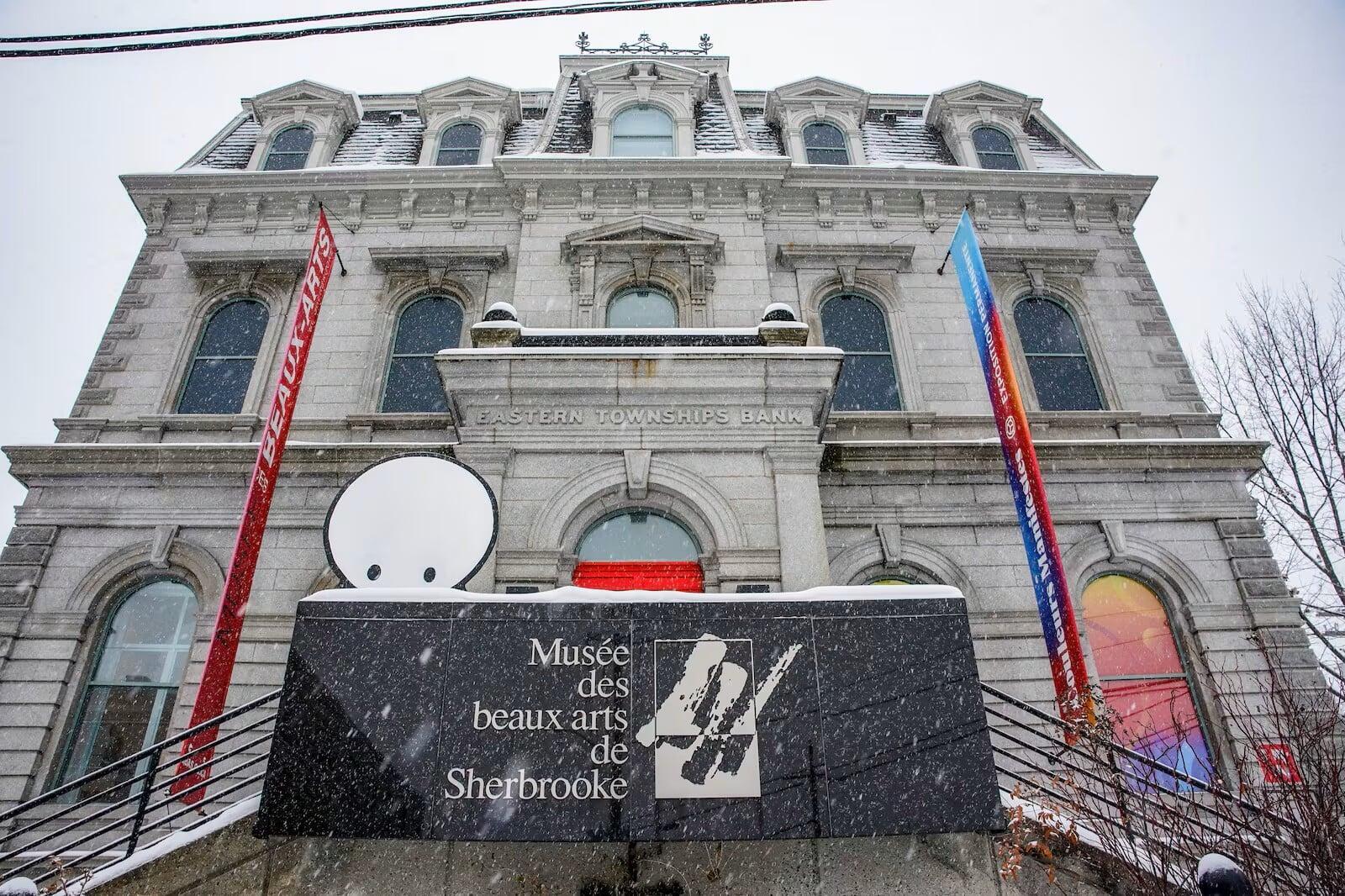
The Musée des beaux-arts de Sherbrooke offers a stark example: provincial funding covers just 25% of its operations. That gap must be filled by admissions, gift shop sales, sponsorships, and fundraising—revenue streams that are highly sensitive to inflation, tourism fluctuations, and philanthropic capacity for any cultural institution but especially within a rural environment where donor and sponsorship opportunities are limited. Staff are fighting to protect their daily working conditions even as the museum prepares to reduce its annual exhibitions from six to four, which will likely reduce visitation and help accelerate the downward financial spiral.
Adding to this financial strain, the Québec government’s decision to cancel free-admission Sundays program removed one of the most effective tools for reaching new audiences. As the Sherbrooke History Museum notes, the program didn’t just bring people in, it helped retain them. Its cancellation represents both a loss of access and a loss of revenue, a double blow to institutions already struggling.
The most telling critique comes from David Lacoste: the government essentially “took money from the left pocket and put it in the right pocket… with less in the right pocket now.” In other words, what was presented as reinvestment amounts to redistribution with a net loss.
Let’s be clear: this is not an Eastern Townships problem. This is not simply a Québec problem. This is a rural Canada problem, full stop.
Across the rest of the country—Atlantic Canada, the Prairies, the North, rural Ontario, and interior British Columbia—small and mid-sized museums are facing identical pressures: rising costs, stagnant core operating funding, diminishing project grant streams, and reduced access to schools and community groups. What changes is the geography. The underlying economics do not.
Local museums carry the weight of fostering local identity and collective memory through place-based storytelling and community collections. They are essential civic spaces in communities that are already navigating a sea of social, cultural and economic change. When these institutions weaken, the entire community cultural fabric weakens. Once its lost, its lost as we have seen countless times when museums close their doors—collections are dispersed across institutions and the unwanted bits sold at auction or in garage sales to help pay down an organization's remaining bills.
This is why the Société des musées du Québec (SMQ) has stepped forward with a clear recommendation: an increase of $12.5 million to stabilize the operating budgets of the province's community museums, a number representing only 0.01% of the province's budget. It is difficult to imagine another public expenditure with such an outsized return on social cohesion, education, community well-being, and cultural continuity at a local level.
The truth is simple: if we want vibrant, resilient rural communities, sustaining their community museums is not optional. It is infrastructure. Cultural infrastructure. Community infrastructure. Nation-building infrastructure.
And once lost, it is not easily regained. We need funding models that take into account rural realities. The La Tribune article highlights this so well.