
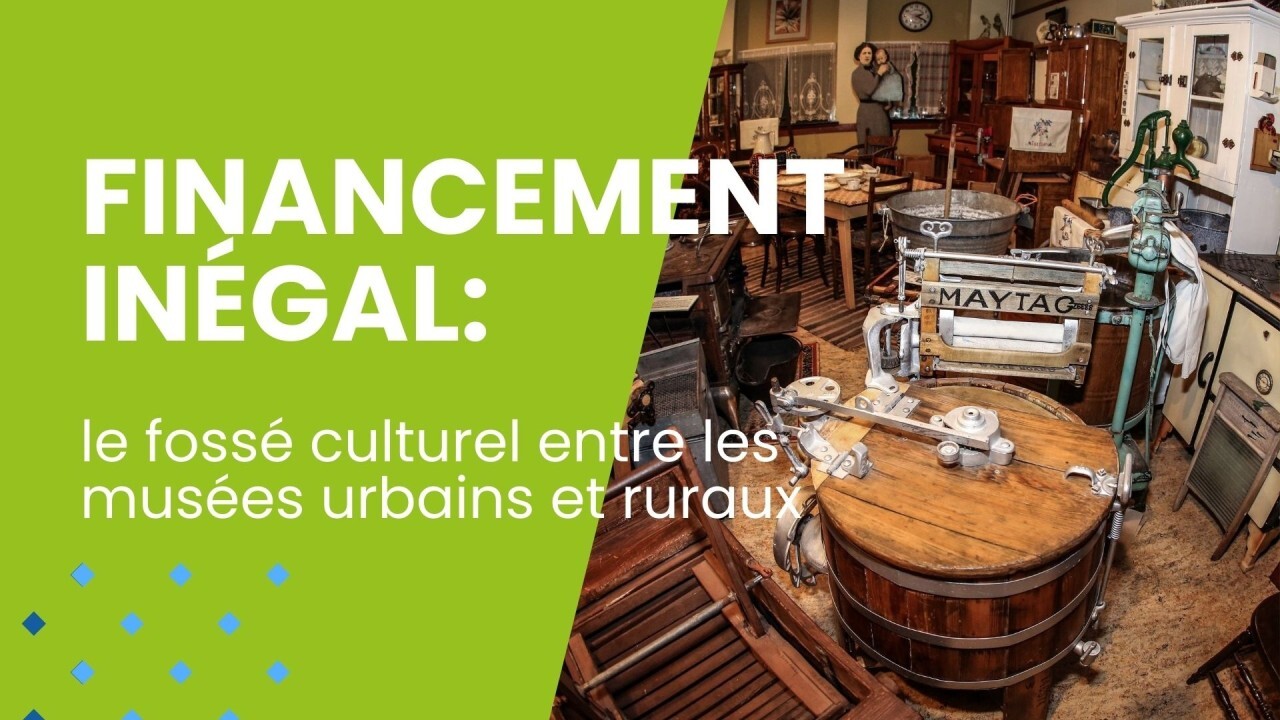
Just as the pandemic has left many families and individuals economically vulnerable, the cultural sector faces similar disparities. Rural museums, in particular, continue to struggle—not just to keep the lights on, but to access the funding necessary to deliver the same sustainable, impactful community benefits as their urban counterparts.
Where are the corporate leaders who recognize the transformative power of small and rural museums to drive meaningful social, cultural, and economic change? While substantial financial gifts have (rightfully) supported urban cultural development, rural institutions remain overlooked—left out of conversations that could unlock their full potential to serve and uplift their communities.
This isn’t just about survival. It’s about equity. Do we truly believe that small museums can and should generate social, cultural, and economic impacts on par with larger urban-focused organizations? If so, then those in positions of influence—community leaders, corporations, and policymakers—must acknowledge that achieving this will require more than grassroots fundraising. They hold the power to establish equitable funding models and corporate giving frameworks that create a level playing field, ensuring resources align with community needs, priorities, and identities.
The current funding imbalance perpetuates a system of “haves” and “have-nots.” Urban institutions with access to robust funding can create transformative community impacts, hire staff at living wages, and develop sustainable operations. Meanwhile, smaller institutions are left to scrape by—relying on bake sales to avoid utility shutoffs and forcing passionate, underpaid staff to juggle multiple jobs to make ends meet.
At the Centre for Cultural Futures Canada, we believe every institution, regardless of size or location, can drive meaningful change—if given equitable access to funding and resources. A more equitable system isn’t just about fairness; it’s about unlocking the untapped potential of rural and small institutions to contribute equally to Canada’s cultural and social fabric.
Addressing Systemic Challenges for Small Museums
To create a more equitable cultural future, we must first acknowledge the realities in which small museums operate and lay a strong foundation for transformative growth. Only then can we begin addressing broader objectives, such as equitable funding models, corporate partnerships, and community-specific solutions.
Realities of the Small Museums
Small museums face challenges distinct from their larger urban counterparts:
Limited Funding: Small museums rely heavily on local donors and small grants, which are often insufficient for long-term sustainability or innovation.
Staffing Challenges: Rural museums often rely on full-time and/or part-time staff who may have limited access to professional development and fair compensation, alongside a shrinking volunteer base. For some, working at a rural museum serves as a stepping stone into the field, prompting them to pursue higher-paying opportunities in urban areas, perpetuating a cycle of frequent staff turnover. Meanwhile, others remain committed to their rural communities, valuing the lifestyle and continuing their work despite these constraints.
Community-Specific Needs: The priorities of small museums’ communities are vastly different from urban centers, requiring localized approaches to sustainability and impact.
Operational Pressures: Outdated infrastructure and limited access to technology hinder these institutions’ ability to grow or enhance visitor experiences
Building A New, Equitable Funding Foundation That Meets the Identified Needs of Small Museums Across Canada
Addressing foundational challenges is essential to create stability for small museums and prepare them for transformative growth. Equitable funding models must prioritize baseline operational support and flexibility, enabling museums to cover essential costs and allocate resources according to their unique priorities. Corporate and philanthropic partnerships should focus on rural-specific giving programs, local business collaborations, and shared platforms to pool resources. Finally, capacity building through regional networks, subsidized training programs, and robust volunteer engagement will strengthen operational capabilities and foster sustainable development.
Here's how we could go forward:
Establish Equitable Funding Models
Baseline Operational Support: Governments and funders must ensure small museums receive funding to cover essential costs such as utilities, professional staffing, and maintenance.
Flexible Funding Streams: Grants should allow museums to allocate resources based on their unique priorities rather than rigid program requirements.
Community-Matched Grants: Funding models that require matching contributions from local stakeholders can deepen community investment in the museum’s success.
Seek Changes to Philanthropy and Corporate Giving
Rural-Centric Giving Programs: Encourage corporations to adopt rural-specific giving programs that recognize the outsized impact small museums have on their communities.
Partnership Opportunities: Foster collaborations with local businesses for sponsorships, in-kind donations, or co-hosted events to generate additional resources.
Shared Giving Platforms: Create regional fundraising platforms where small museums can pool resources and appeal to larger donors as a collective.
Create Capacity Building and Professional Development Opportunities For Small Museums
Regional Networks: Develop regional museum networks to share expertise, resources, and training opportunities.
Training Subsidies: Offer government-funded or subsidized professional development programs to upskill museum staff and volunteers that are fully accessible online.
Volunteer Engagement: Build robust volunteer programs in line with community priorities and values to address staffing gaps while providing community members with meaningful ways to contribute.
Establish New Community-centric Funding Foundations
We first need to acknowledge that small museums cannot and should not operate on the same model as larger institutions. A one-size-fits-all approach is unfair to these museums and their communities.
Community-Specific Models Localized Priorities: Small museums must align their offerings with the unique needs, values, and priorities of their communities. For example, Calgary’s needs differ significantly from those of Didsbury.
Scalable Impact Goals: Small museums should focus on outcomes proportional to their size and community context rather than replicating the impact of urban institutions.
Embedded Community Relationships: These museums can leverage close ties to their communities to address hyper-local issues like youth engagement, heritage preservation, or reconciliation.
Flexible Benchmarks for Success: Evaluation frameworks should reflect the unique contributions of small museums, such as fostering community cohesion or intergenerational learning, rather than comparing them to urban metrics.
Creating A New Reality for Small Museums
By addressing these foundational challenges, small museums can develop models that reflect their communities' unique realities and priorities. This will enable them to thrive in ways that respect their scale and potential, setting the stage for broader systemic change. Equitable funding, impactful partnerships, and tailored programming will follow naturally when these foundational gaps are closed.
The time has come to recognize the distinct value of small museums and to build systems that empower them to serve their communities more effectively. By addressing these core realities, we can create a cultural sector where every institution, regardless of size or location, can thrive.
Visit https://www.culturalfutures.ca/ to learn how you can make a difference.