
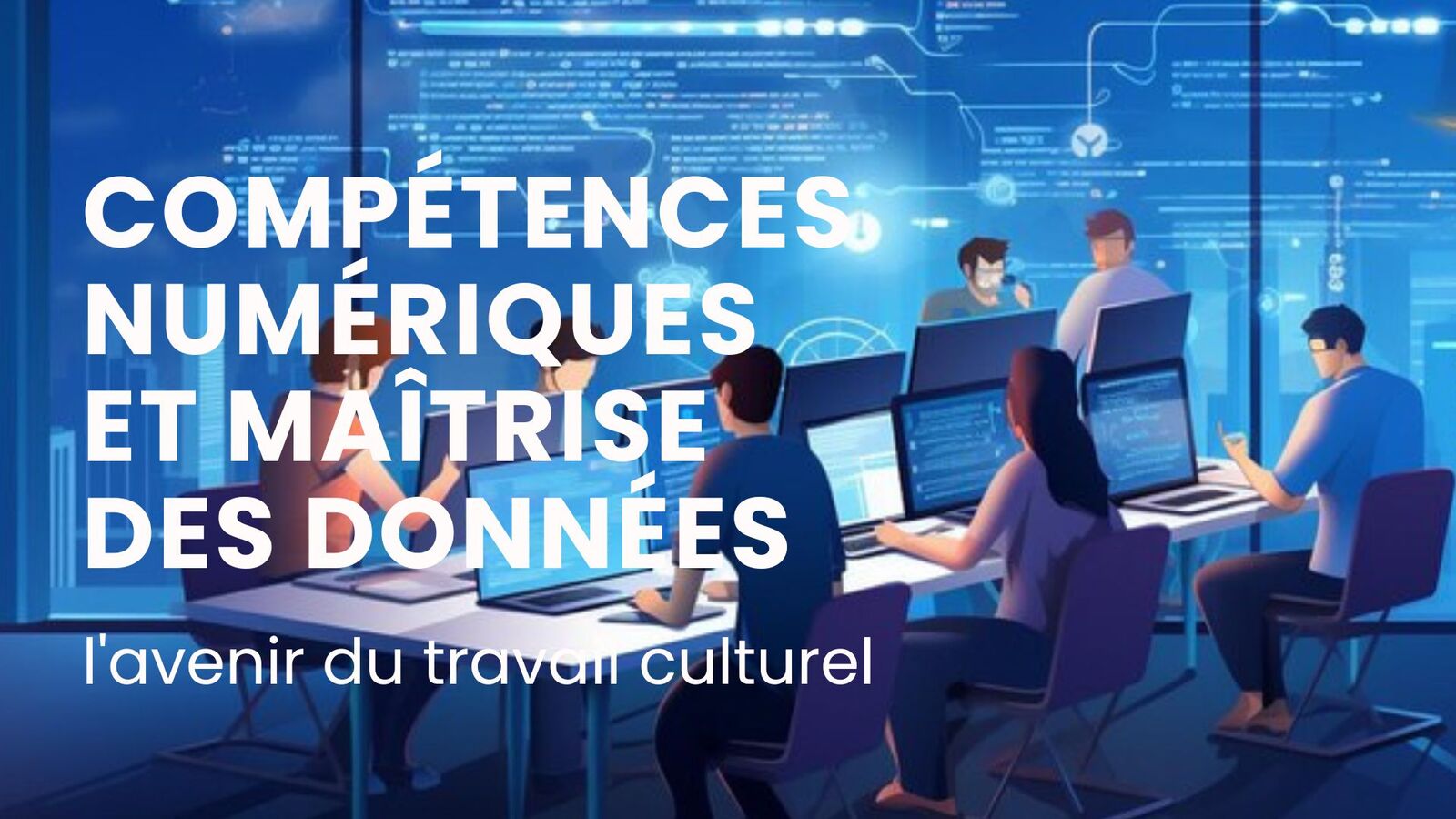
The cultural sector is undergoing a profound transformation driven by digital technologies and data-driven decision-making. To remain relevant and sustainable, cultural professionals must develop digital skills while also embracing data analysis to inform programming, audience engagement, and operational strategies.
This shift presents both opportunities and challenges. On one hand, digital tools have expanded how cultural organizations create and share content, reaching broader and more diverse audiences. On the other, financial constraints, infrastructure gaps, and resistance to change hinder the sector’s ability to fully integrate these tools. Furthermore, as funding bodies and stakeholders increasingly demand measurable impact, the ability to collect, analyze, and apply data insights is becoming an essential skill for cultural practitioners.
This article explores the growing demand for digital and data literacy skills in the cultural sector, the barriers to adoption, and strategies for future-proofing cultural careers in a digital-first world.
The Digital Shift in Cultural Work
Cultural institutions—museums, galleries, performing arts centers, and heritage organizations—have traditionally relied on physical spaces and in-person experiences to connect with audiences. However, the digital transformation of culture has redefined how people engage with art, history, and performance. Today, digital proficiency is no longer optional; it is a necessity for cultural professionals.
Key Digital Skills in Demand
- Content Creation & Management: Digital storytelling, video production, and website management are now integral to cultural programming.
Audience Engagement & Marketing: Social media strategies, email campaigns, and digital advertising help cultural organizations reach new audiences.
Data Analysis & Interpretation: Understanding audience trends and program impact using analytics tools is critical for sustainable operations.
Technical Proficiency: Familiarity with digital exhibition platforms, virtual reality, and interactive design enhances the cultural experience.
The Canadian Centre for Nonprofit Digital Resilience highlights that digital skills gaps hinder organizations’ abilities to serve their communities effectively. These gaps result in missed opportunities for engagement, funding, and long-term sustainability. (CCNDR Report, 2024)
The Growing Role of Data in Cultural Management
Beyond basic digital proficiency, cultural professionals must now develop skills in data analysis. Data-driven decision-making is becoming a crucial factor in securing funding, understanding audiences, and improving program effectiveness.
Why Data Matters in the Cultural Sector
- Audience Insights & Engagement: By analyzing visitor demographics, online engagement metrics, and ticket sales, cultural organizations can tailor programs to better meet audience needs. Example: A museum tracking digital engagement can identify which exhibits generate the most interest and adjust programming accordingly.
- Operational Needs: Data helps organizations optimize budgets, staffing, and marketing efforts by identifying where resources have the most impact. Example: Performing arts centers using attendance data to adjust scheduling and pricing strategies.
- Demonstrating Impact to Funders: Granting agencies and donors increasingly expect data-backed impact reports. Example: A community arts program using data to show increased engagement among underserved populations, securing renewed funding.
Barriers to Digital and Data Integration
Despite the clear benefits, cultural organizations face significant challenges in adopting digital and data practices:
- Financial Constraints: Limited budgets make it difficult to invest in software, tools, and staff training. Solution: Seek external funding and partnerships for digital transformation projects.
- Lack of Training Opportunities: Many professional development programs focus on traditional arts management rather than digital and data skills. Solution: Take advantage of emerging online courses tailored for cultural practitioners
- Resistance to Change: Some professionals fear that digital tools might replace traditional cultural experiences. Solution: Reframe technology as an enabler rather than a disruptor.
- Infrastructure Challenges: Rural and small cultural organizations often lack access to high-speed internet and advanced tools. Solution: Advocate for increased digital accessibility funding at the policy level.
Future-Proofing Your Career in a Data-Driven World
- Invest in Professional Development: Numerous programs now offer training tailored to cultural professionals:,
- Americans for the Arts – ArtsU: Online training for arts professionals. (ArtsU)
- DataArts: Training in data-driven decision-making for cultural professionals. (DataArts)
- MITx – Data Analysis for Social Scientists: A foundational course in data skills. (MITx)
- National Preservation Institute (NPI): Courses on cultural resource management. (NPI)
- Build Data Literacy
- Learn how to interpret audience engagement metrics, financial data, and program outcomes.
- Develop skills in survey design and data storytelling.
- Use tools like Google Analytics, Tableau, or Datawrapper to visualize insights.
Collaborate with Tech and Data Experts,
- Partner with universities, tech firms, or government initiatives to access digital tools and expertise.
- Join online communities where cultural professionals share best practices in digital engagement.
Advocate for Digital Investment
- Push for internal budget allocations for digital upskilling.
- Demonstrate the ROI of digital and data strategies to funders and stakeholders.
Stay Adaptable
- Cultural work is evolving rapidly—stay open to experimenting with emerging digital tools.
- View digital literacy not as a technical challenge but as an artistic and operational opportunity.
The intersection of digital technology and data analytics is reshaping the cultural sector. While barriers exist, those who invest in digital and data literacy will be better positioned to lead and innovate. Cultural professionals must seize opportunities to upskill, advocate for digital investments, and embrace a data-driven mindset.
- Canadian Centre for Nonprofit Digital Resilience. "The Demand for Digital Skills in Canada's Nonprofit Sector." (2024) Read here
- Future Skills Centre. "Digital Skills and the Skills Gap." Read here
- DataArts. "Educational Resources for Cultural Professionals." Read here
- MITx Online. "Data Analysis for Social Scientists." Read here
- AIGA. "Data Analytics Certificate for Creatives." Read here