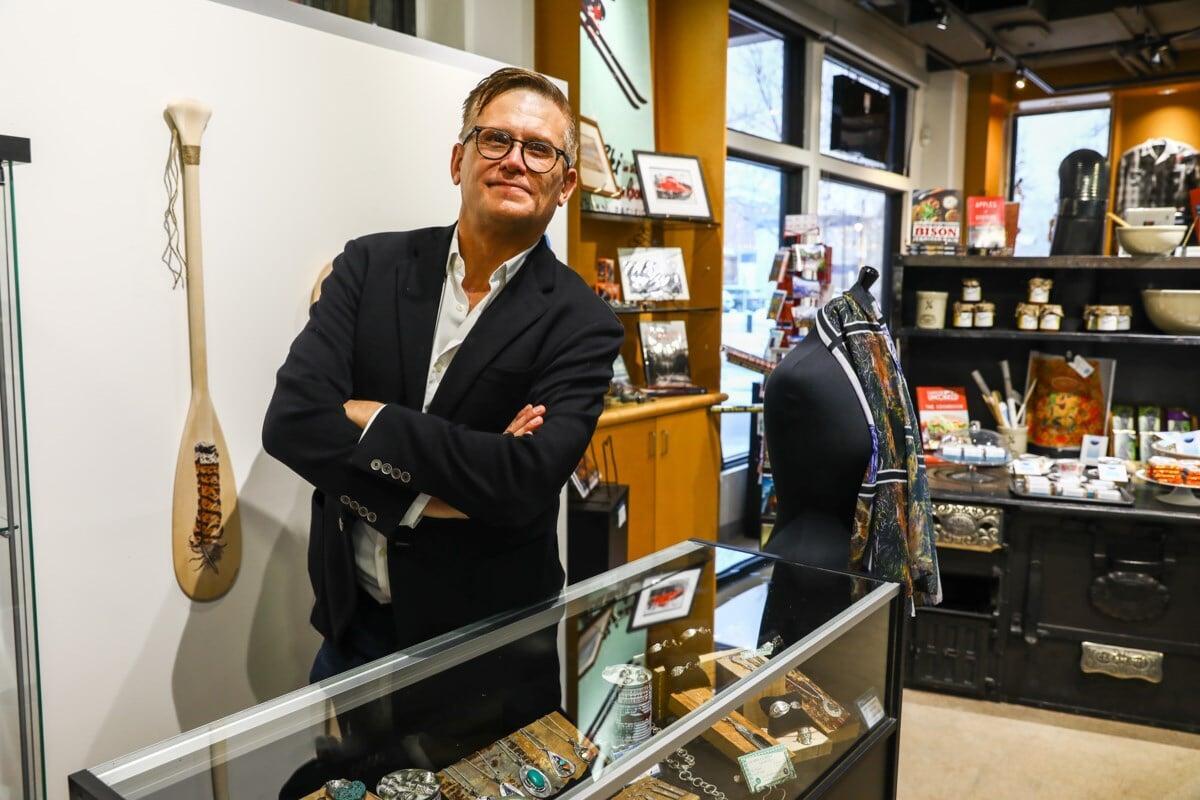
An Interview with Ron Ulrich, Executive Director, Centre for Cultural Futures Canada

This interview originally appeared in the Canadian Museum Association Winter 2026 Muse Magazine; reposted with permission (2/20/26)
How can the national cultural sector achieve better cohesion and impact? To answer this question, we turned to the Centre for Cultural Futures Canada, a national organization focused on strengthening cultural ecosystems in rural, remote, and underrepresented communities.
While the Centre is newly established, it has emerged from many years of practice-based work in museums, heritage, and community development. The Centre for Cultural Futures Canada exists to address a persistent gap: cultural organizations in smaller and rural contexts play a critical civic role, yet are often neglected in policy, funding, and data systems. The following interview with Ron Ulrich, founding Executive Director of the Centre for Cultural Futures Canada, sheds a much needed spotlight on how centring small, rural, and remote museums in our work and advocacy can strengthen Canada’s museum sector.
What are some of the Centre for Cultural Futures Canada’s key activities to date?
Coming out of the pandemic, we recognized that cultural organizations of all sizes were facing overlapping pressures — shifting audiences, funding uncertainty, rapid digital adoption, and workplace challenges. To better understand what was happening on the ground, we spent nearly a year conducting close to 100 conversations with cultural professionals across the country. Those conversations surfaced sector-wide challenges as well as important differences shaped by scale and place, and consistently pointed to the need for greater attention to rural, remote, and underrepresented communities.
That insight directly informed the launch of the Future of Rural Culture Summit, which brought together cultural organizations and practitioners, Indigenous knowledge holders, funders, researchers, and community leaders to share experience and identify common priorities. The upcoming Rural Cultural Leaders Roundtable builds on that work, shifting the conversation toward collective sensemaking and action. Alongside this convening work, we’ve been building relationships with organizations to explore better ways of understanding and communicating the value of rural culture.
How does your specific focus on supporting rural, remote, and underrepresented communities affect your approach?
Scale and context matter. Approaches that work well for large, urban institutions are not always transferable to volunteer-driven or small-staff organizations, and even less so to community-driven cultural groups in small-town Canada. Our focus requires us to design work that is place-based, relational, and adaptable. It also means recognizing that rural and remote communities are not lacking creativity or leadership — they often lack systems that recognize and support what they already do well.
Capacity is a critical part of this conversation. Cultural leaders in rural communities are increasingly being asked to deliver social, cultural, and economic outcomes without corresponding increases in financial or human resources.
This is not a marginal part of the sector. According to our analysis of 2021 Stats Canada data, 34% of Canadian cultural organizations operate in rural communities. Overlooking these realities risks missing a significant portion of Canada’s cultural infrastructure.
How can museums get involved?
Much of the recent work to articulate Canada’s cultural landscape has rightly focused on the arts, but museums and heritage are not always fully integrated into how we define and measure culture as a whole. At this stage of our work, museums can engage by participating in convening events such as the Rural Cultural Leaders Roundtable and, as we move forward, in community-based pilots connected to the Rural Cultural Vitality Indicator Suite. We cannot build a holistic understanding of rural culture — or culture in Canada more broadly — without the active participation of museums and heritage organizations. We need their voices at the table.
How does your background as a longtime museum Executive Director impact your role here?
I’ve worked in museums, in the broadest sense, since I began volunteering at the age of 14 to help develop the Crowsnest Museum. Over the course of my career, much of my work has been in executive leadership roles, most recently at the Canmore Museum, and much of it has taken place in rural and small-town contexts.
Rural communities are vibrant places to live, work, and create, shaped by museums, galleries, festivals, and everyday cultural life. Working in rural museums teaches you the immediacy and relational nature of impact. You see, often very directly, how museums shape learning opportunities and a sense of belonging for both residents and visitors. That kind of impact is powerful, but it has not always been easy to translate into the data required for grants, sponsorships, or donor support. This is less a failure of practice than a systems issue tied to capacity, technology, and how cultural value is measured.
Across my career in rural museums, I’ve consistently tried to frame museums not only in terms of economic contribution, but social impact. That experience directly informs how the Centre for Cultural Futures Canada approaches research, policy, and sector dialogue today.
You just hosted the Future of Rural Culture Summit — what was a key goal of that event? What is something new that you learned personally?
A key goal of the Summit was to convene people working in rural culture alongside those engaged more broadly in rural community development. We wanted to create a shared space to begin a longer conversation — one that signals that rural arts, culture, and heritage, are visible, valued, and ready to engage more fully with the national cultural sector.
What became clear through the process was how limited the existing infrastructure is for advancing rural culture as part of rural community development. While consultants and community development professionals regularly engage with cultural activity, there has been no consistent, sector-wide voice focused on how arts, culture, and heritage contribute to rural development outcomes.
Personally, the Summit reinforced the importance of convening as a form of leadership. Bringing people together across regions and disciplines created space for shared language, mutual learning, and deeper understanding. Overall, the Summit underscored how attention to place can strengthen community culture, support reconciliation through shared care for landscapes, and reinforce the role of data in telling the story of why this work matters for me personally.
A major focus of your organization is supporting Indigenous nations. How does your work support museum-based reconciliation efforts such as Moved to Action?
For us, reconciliation work is grounded at the local level. The development of the Rural Cultural Vitality Indicator Suite helps us work with communities to build cultural vitality where relationships are lived and sustained. While the Centre for Cultural Futures Canada operates as a national organization, a key focus remains on supporting communities and cultural organizations in creating the conditions for meaningful, place-based relationship building and reconciliation at a local level.
Initiatives such as Moved to Action provide an important pathway for museums to recognize that reconciliation is structural, requiring shifts in governance, decision making, authority, and how knowledge is shared. Museums are well positioned to do this work, but many — particularly smaller and rural institutions — need practical tools, shared learning, and sustained support to engage fully. The Moved to Action Small Museums Toolkit is an incredibly valuable resource in this regard, and we see strong alignment between the CMA’s goals and our own work. Our role is not to duplicate existing efforts, but to help create the conditions — through dialogue, evidence, and capacity-building — that allow efforts to support Indigenous self-determination to take root and strengthen cultural vitality at the community level.
About Ronald Ulrich
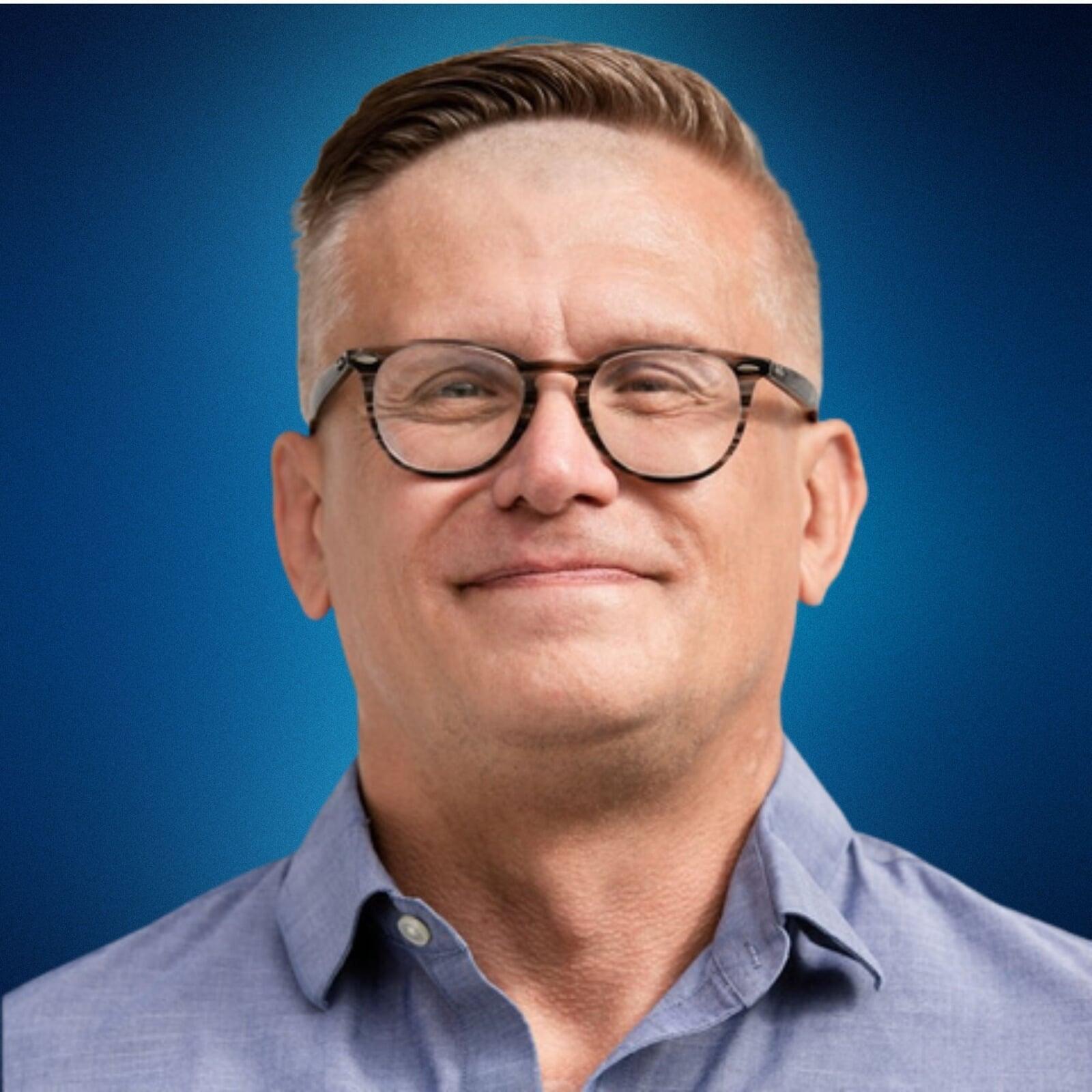
Ron is a cultural leader and museum professional with extensive experience in rural museums, art galleries, and theatre spaces. He is the founding Executive Director of the Centre for Cultural Futures Canada, where he works nationally at the intersection of culture, research, policy, and community capacity-building.