
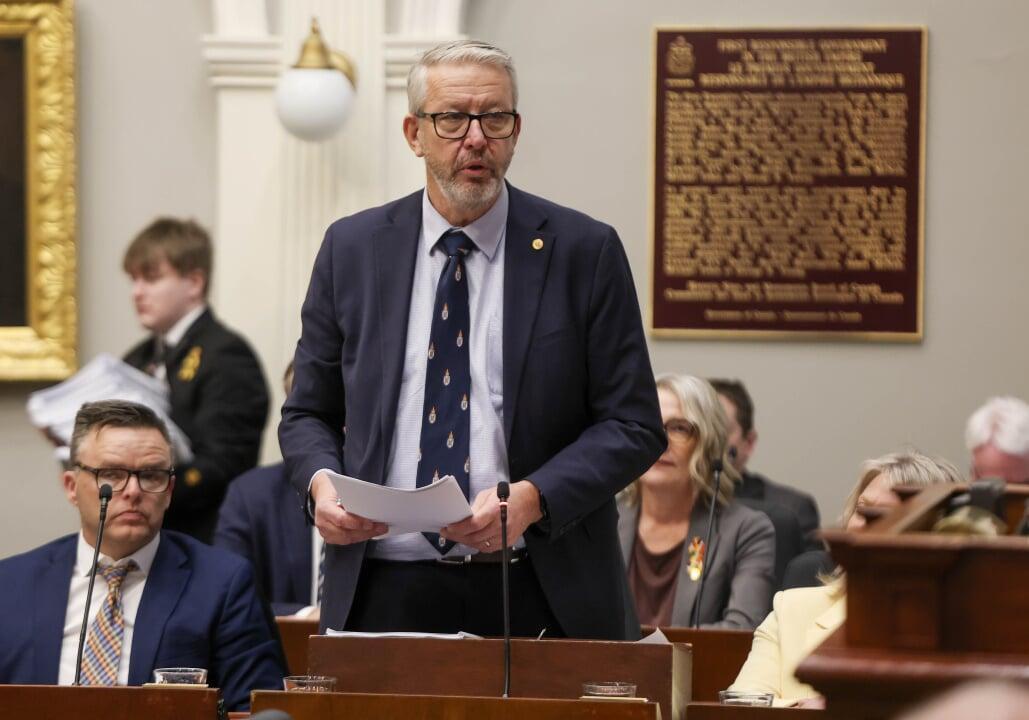
Recent reporting has highlighted the scale of fiscal retrenchment now facing Nova Scotia’s non-profit and cultural sectors. The province has clawed back approximately $130 million from nearly 300 organizations, leaving many scrambling to adjust with little notice. While this context matters, the impacts on cultural infrastructure — particularly arts organizations, museums, archives, and visitor information centres — deserve focused attention.
Here are the some of the impacts:
- 12 of the 28 museums operated by the province are being closed; all of these museums are in rural communities. An online statement by the Minister of Department of Communities, Culture, Tourism and Heritage shares that these 12 museums account for just 3% of the total visitation to Nova Scotia Museums, and that these closures will allow us to prioritize museums and programs that reach more people and are part of a broader modernization strategy of the Nova Scotia Museums system and that there are opportunities to bring these under local management. However, the province also cut the the Community Assistance Program for museums, an already heavily oversubscribed grant program, from $100,000 to $50,000.
- The remaining 16 museum have been handed a 20% reduction in their allocation from the province. These cuts take effect just 7 weeks before the tourism season starts on Victoria Day.
- Many of the province's visitor information centres are being shuttered, permanently. Tourism continues to be a significant contributor to Nova Scotia’s economy. In 2025, more than 2 million visitors generated approximately $3.7 billion in revenue and supported nearly 14,000 jobs across the province, representing 2.7% of provincial GDP. At a time when many provinces are seeking to increase their visitor economy, this seems quite short sighted.
- The Association of Nova Scotia Museums will receive a 30% cut to their annual allocation from the province. At a time when museums across the province are facing closures, operating reductions, and significant uncertainty, ANSM represents the primary sector body positioned to support institutions, coordinate responses, and provide informed, province-wide leadership.
- Arts Nova Scotia is absorbing a 30% cut to program funding. These cuts affect a range of programs traditionally supported by Arts Nova Scotia or in partnership with it, including: Artists in Schools programs (which are also doubly impacted by concurrent education budget reductions), grants for non-profit arts organizations and individual artists, The Nova Scotia Talent Trust, Minister’s Awards for Excellence in the Arts, funding for arts and culture activities addressing social issues in communities, Other grassroots and community-focused cultural activities and ensembles that rely on Arts Nova Scotia support.
Museums and heritage institutions are often discussed in terms of attendance or tourism metrics alone. In rural and coastal communities, however, they function as far more than visitor attractions. They are employers, educators, conveners, and stewards of local memory. Decisions to close sites, reduce operating grants, or withdraw sectoral support reverberate quickly through local economies and community life.
In response to the announced closures of twelve museums, reductions to visitor information centres, cuts to operating grants, and significant funding reductions to the Association of Nova Scotia Museums, the Centre for Cultural Futures Canada submitted a letter to the Minister of Communities, Culture, Tourism and Heritage in consultation with those . The letter acknowledges fiscal pressures and the Government’s stated intention to modernize the museum system, while raising concerns about timing, sequencing, consultation, and the long-term stewardship of collections held in the public trust.
Importantly, the letter does not argue against change; we are well aware that governments — municipal, provincial and federal — are having to make difficult decisions . It argues for planning before cuts, engagement before decisions, and capacity before downloading responsibility — particularly in rural communities and small towns where cultural institutions carry disproportionate weight.
What is unfolding in Nova Scotia is not unique. Across Canada, cultural and non-profit organizations are operating in increasingly fragile conditions, often with limited notice and diminishing capacity to absorb shocks. The question is not whether governments must make difficult fiscal choices, but whether those choices are made in ways that protect long-term community resilience and cultural continuity.
View our letter to the Honourable Dave Ritcey, Minister of Communities, Culture, Heritage and Tourism, submitted after consultation with provincial and national stakeholders.
To view the full scope of arts, culture and heritage cuts being proposed in the 2026/27 Government of Nova Scotia budget, click on the button below. Arts, culture and heritage cuts can be found on line items 33 to 37 and 56 to 84.